Sober Curious in Midlife? An Honest Conversation about Alcohol, Health, and Hormones, with Emily Allen (Ep. 26)


If you’d asked me a few months ago if I’d ever do an episode on going alcohol-free, I probably would’ve laughed and said, “No way.” But the truth? This conversation matters—especially in midlife, when we’re all trying to take better care of our minds, bodies, and hearts.
In this episode, I sit down with certified alcohol-free life coach Emily Allen to talk about what it’s really like to take a break from alcohol, why she chose to do it, and what changed for her when she did. Spoiler alert: Emily didn’t hit rock bottom. She was just a midlife woman who wanted to feel better—and ended up transforming her life.
Whether you’re sober-curious, thinking about cutting back, or just wondering what this lifestyle is all about (while sipping your glass of wine), I think you’ll find this conversation enlightening and empowering.
BY THE TIME YOU FINISH LISTENING, YOU’LL DISCOVER:
✔ Why you don’t need a crisis to reevaluate your relationship with alcohol
✔ How Emily replaced wine nights with self-care, clarity, and confidence
✔ The surprising midlife benefits of drinking less (think sleep, energy, and mood!)
✔ Why you’re not “doing it wrong” if you feel unsure about where you stand
🎯 OMG Moment: Midlife is already full of change—so why not make one that brings true freedom?
Take Action
Curious about cutting back or going alcohol-free? Emily offers one-on-one coaching to help women navigate that journey. You can learn more at livingfreewithemily.com or follow her at @livingfreewithemily on social.
Why This Episode Matters
This isn’t about judgment, labels, or rules—it’s about awareness. In midlife, how we treat ourselves matters more than ever. Whether or not you’re ready to rethink your happy hour, this episode invites you to check in with your intuition and give yourself permission to choose what feels right.
🎧 Hit follow now and join me next week as we talk about my favorite topic (believe it or not): mornings! We’ll explore how to make mornings work for you—without a 5 a.m. wake-up call or a laundry list of habits.
Find all podcast and coaching resources at cherylpfischer.com.
Text me to ask a question - I'll answer on the podcast!
Subscribe to receive bonus episodes at cherylpfischer.com/bonusepisodes.
🌸 Liked this episode? Share it with fellow Gen X women navigating hormone balance, an empty nest, and/or self-confidence!
🫶 Love this show? Leave a review to help more women over 50 find us.
💡Want support through menopause, mindset shifts, or midlife transitions?
- Join the collective by subscribing on Patreon or grab the bonus episodes!
- Book a free Mindset Coaching / Intro Call: cherylpfischer.com/coaching
Let’s talk midlife body positivity, self-talk, and redefining aging for women — without the “midlife crisis” narrative. Every week I'm adding new success strategies for midlife women.
Connect with Cheryl, Midlife Coach: Instagram | LinkedIn | Website
0:00 If you had asked me a few months ago if I would do an episode on this topic, I probably would have chuckled and said no, I don't think so. However, it's important and of all the things we can do for ourselves in midlife, over and over again, you and I have heard the theme that we need to take a little bit more care with our emotions, with our bodies, with our mindset, and so today I am bringing a guest to talk about living alcohol free. Now you've heard of dry January, sober October.
0:41 Maybe you don't drink alcohol anyway, or maybe you do, and you think I am never going to stop. This is ridiculous. I think you'll still find this discussion interesting. Spoiler alert I do enjoy wine and I don't really intend to stop enjoying wine, and at the same time, I want to know the ins and outs of this. I want to take better care of myself. I want to consider all of those options, and I am sure that you want to too. So let's talk about it. Welcome to Mind your Midlife, your go-to resource for confidence and success.
1:23 One thought at a time. Unlike most advice out there, we believe that simply telling you to believe in yourself or change your habits isn't enough to wake up excited about life or feel truly confident in your body. Each week you'll gain actionable strategies and oh my goodness, powerful insights to stop feeling stuck and start loving your midlife. This is the Mind your Midlife podcast. So I am someone who really enjoys a glass of wine and my friends all know absolutely never read wine. It gives me a headache immediately and I don't really like it.
2:06 But white wine I do enjoy it. I don't really like beer. Sometimes I'll have a cocktail, but I enjoy it and I think I have a pretty good handle on how much and how often that I have it. But there have definitely been phases in my life where I'm not sure I did have a good handle on it. If that makes sense, and maybe you have or hadn't had the same experience, I have done many different kind of 30 day stretches where I stopped drinking the wine and did I see any changes? Yes, yes, I did.
2:47 I think it's better for our health to take that out, at least to a certain extent. So if I say at least to a certain extent, well, what is what is that extent? What does it mean? And that's why we're here. What is that extent? What does it mean, and that's why we're here. My guest today, emily Allen, is a certified alcohol-free life coach and I'm being honest with you, I did not know that was a thing until Emily and I met. So her goal is to empower women in midlife to break free from the wine mom thing, begin their next chapter and do it with clarity, with confidence, with freedom and support.
3:32 Okay, welcome, emily. Hi, thank you Glad to be here. I'm really very interested in this conversation, so let's dive right in. You have personally been on a journey transitioning to being alcohol free, so tell us how that came about. Yeah, sure. So I'm 53 and I was just a casual, what you would consider a casual drinker, social drinker, for years, probably by 20s, 30s. And then when I became a mom, it seemed like it became more of this social connection with other moms to get together for mom's night outs, just that occasion to get together and have drinks, and it seemed, you know, it was just like the normal thing to do and the way to bond with other moms.
4:33 And so then, as my kids were getting older and I noticed that I felt like my alcohol consumption was going up, and then and Mom's Nights Out became more frequent and less about the kids and needing a Mom's Night Out and more about getting together with friends and drinking. And it became just sort of the focus of a lot of those relationships. And I didn't see it at the time, like then I wasn't thinking, hmm, this relationship seems to be centered around alcohol. It just became that way, relationships. And I didn't see it at the time, like then I wasn't thinking this, you know relationship seems to be centered around alcohol. It just became that way. And then, when, you know, covid hit and we, everybody was home, I realized my social drinking was still occurring even though I wasn't socializing, and so I was still drinking, and, by that point, every day, I mean, it was night, I'm not that there's a huge difference but I wasn't starting early, but I was still, you know, drinking five o'clock.
5:30 Five o'clock hit, I would start making dinners, and that was just part of my routine to pour that glass of wine, cook, have another glass, eat, clean up, have another glass. And I would found that I would be in such a routine of just doing that every night and just sitting in the kitchen past, you know, everybody's moved on to other areas of the house and I would still drink, and I was, like, you know, on the internet or even talking to friends, but I just thought, you know, what am I doing? And I never felt good anymore, physically too, and I was really starting to become aware of that and just thought this cannot be all that there is.
6:16 And so it was Christmas Eve of 2020, first, like covid, christmas and I had stayed up wrapping presents and, you know, drinking wine, which was, I would, wrapping presents to me, equal drinking wine, decorating the christmas tree, drinking wine. I mean, it was just that routine. Um, and I woke up with such a hangover on christmas day, and I was like this is just, I'm done, it's done. And so that's when I started making the plan to try dry January, you know, which was just a few days a week away Because I thought I can try this, and it's not a huge like announcement, a lot of people do it.
6:59 And that's when I had, you know, did a conscious break from alcohol, and then I just kept going. And so four and a half years, almost four and a half years later, and my life has just completely changed since then. Wow, okay, so I have like 10 questions from that. But I want to know, I want to know what you mean by your life has completely changed and I also want to know what were the hard parts. So I guess you know what are the benefits you saw and what were the challenges as well. Yeah, so by saying my life has completely changed, like I didn't ever think I could do anything different than what I was doing at the time, I mean, I was a mom, which I was very happy to be mom.
7:49 I'm a pharmacist. That's what I've, you know, done for 20 some years, and I never would have thought I'm going to start my own business, I'm going to go on podcasts. I want to help other people. I mean, I've been a pharmacist. That was part of the reason why I wanted to do that was to help other people. But this, to me, is just a whole new level of helping people. I became a certified alcohol free coach at last year, and so that's how I mean, that's just one of the ways that my life has completely changed and just what I focus my time and energy and thoughts on, and then my health has gotten so much better.
8:33 When I wake up in the mornings, now I feel good. I feel like I mean still like nobody loves to wake up early. It doesn't just make you jump out of bed. No, absolutely not. But I don't wake up with like a headache or dry mouth and just the blah feeling that I used to always wake up with, and I got so used to it that I kind of thought it was just my normal, like this is how it's going to be, this is what I should expect. It's not ever going to get better. So for me to have that huge change, I'm like, oh my goodness, every day I wake up I feel good and I really didn't think that was ever going to be the case.
9:16 And then just my relationships, being able to just be present with other people all the time, versus, you know, if you go going out with friends, I would always be thinking about when's the next drink coming, and it just always felt like that was the focus, and now it's not a focus at all and so I can really spend time and be present with the people that I'm with. So that's definitely another way that it's changed. Yeah, that reminds me of something kind of interesting, because years and years ago, a long time ago, I had a binge eating problem, and when you said I was always thinking about the next drink, that made me think, yeah, I was always thinking about the next meal, always, always.
10:03 And so I guess maybe that's a sign that that we might want to figure out what's going on if we're always kind of obsessing about the next, whatever it is. Yes, yeah, because it can be, yeah, other things other than food and alcohol. I mean it can be shopping or or just to me it was. It was about numbing. Again, I did not know that at the time, I didn't couldn't have called that out at the time, but now I know I was numbing myself to life, cause it was. It just felt more comfortable that way than to feel the feelings and experience all the highs and lows, especially, you know, everything that was going on during that pivotal time of our lives and and even, just you know, raising kids.
10:49 I mean all of that brings these stressors. That alcohol for me just seemed to bring it down, even though I know now that it was not like the things went away. Everything was still there the next morning, but just for that evening time I was oblivious to the feelings and didn't have to face them oblivious to to the feelings and didn't have to face them. Yeah, yeah, I want to go back to maybe what the challenges were. I haven't forgotten that. I said that, but I'm kind of just following this path. So for you, it has turned out that going alcohol free was the best choice, but I'm imagining that someone listening right now might be thinking well, couldn't I just cut back?
11:34 Or just do things a bit differently. So what are your thoughts about that? Yeah, and I feel that that is totally possible for some people. For me, moderation was never going to work because it was just this slippery slope. It was the mental gymnastics of because I did try to cut back and do things over the span of probably about probably like a five year period where I would think, oh, I'm not going to drink, I'm only going to have one drink tonight, and then usually that ended up being two, and then you're in your mind going well, wait, I've already let myself down. Why not three? And it just became this. It made me feel almost even worse about myself because I was constantly letting myself down during those times.
12:19 Or if I was able to just have, you know one, then I was like I'm like a rock star and who cares how many I have now, because I can prove to myself that I can just have one. So for me it was not in the cards. And I know people that go weeks and not have a drink and then they have one or two out and go weeks again, and obviously that's just a different. They have a totally different relationship with alcohol than I did. I feel like, if anybody is thinking about, should I cut back, you know, am I hurting, am I harming myself? I feel like that's a sign to start to become curious about the relationship and see, because if you're getting those thoughts, your, your intuition is telling you something.
13:12 And if you can kind of get curious and look into it, you know you might decide I don't, yeah, I don't need this anymore. It's not doing me any service, any benefit at all. So that's such a great way of putting it, and I talk with people all the time about following our intuition, following our gut instinct. That's such a great way of putting it, because, yeah, it's some of the things you're saying. I'm like, oh, oh, I'd have thought that before. You're not alone, yeah, so very interesting. Well, well, let's flip it around, as you you were, you did dry January and you kept it going, and you've kept it going now for a long time.
13:54 What were some of the hard parts or the challenges that you came across? So feeling the feelings, you know that's not, it's not what we always want to sign up for. I kind of felt like I had to re relearn, almost just like how to process my feelings. I actually did yoga teacher training last year and that was something, again, I never would have even thought about doing when I was drinking, I mean, that was, I didn't even ever go to yoga. And then I was like, why don't I just jump right into yoga teacher training? But just that part of just getting into my body and becoming aware of my feelings and feeling them, that I felt like I almost had to retrain myself to do that Because I was so used to numbing them and then just ignoring them and thinking, oh, that'll just go away.
14:43 So that was. It was hard. I mean it was worth it. I never would want to go back to numbing, but when you're just if you've gone years without really expressing your emotions, feeling them, that's harder than you might expect. Yeah. And then you know, I was nervous about the social aspect of it, because I kind of have mentioned, you know, a lot of my relationships were involved with going out and drinking and so that was my first and it was during COVID, so I kind of had that protection because nobody was really still going out. So I was in a little bit of a bubble that not everybody anymore hopefully doesn't have to deal with that again.
15:24 You don't want to go back to that, but I was able to sort of use it to my advantage during that time. But for now, for some. Like if I was just now going alcohol free, I would have given myself that time still to just kind of hold back a little bit. You know, you don't have to accept every invitation to go out just till I got my bearings and realized I can do this. I feel so much better. I don't ever want to feel the way I felt before and then going into the social scenes I mean I have a really good friend too who still has drinks, but you know she doesn't care that I don't, and it's not a big deal, and it was never like, oh don't you want just one, like there was never a push on me and also I never felt awkward around it.
16:11 So just having that that first time of going out and feeling like, you know, this is nice, I'm not being judged, she knows I'm not judging her and I can still have a great time kind of just getting those moments one by one, racking them up and reassuring myself. This is fine. And now I don't even think about it, which I didn't think I would ever get to that point. I always thought, anytime I go out to a restaurant, brewery, anything, I'm always gonna wish I had a drink. And I really don't. And there are so many options now too that you don't have to just drink. You know tap water. You don't have to just drink, you know tap water.
16:57 That's so sad. I know that is the saddest thing is tap water in a glass. So now there's most places, even breweries, have non-alcoholic options usually, and kombucha at breweries, and then the non-alcoholic mocktails that restaurants seem to be focusing on more. I mean it is becoming such a more accepted way of life that that makes it easy too. And then I would just have one. Like I don't want three mocktails, you know, like I just have one and then switch to my water with lemon, not by itself, yeah, and it just feels just natural. And now I'm like, why was I so worried about it? I mean I understand why I was, but it now, looking back, I was like, oh, I wish I could have told that self don't worry about it, you are going to be fine.
17:44 Nobody, people don't really pay attention to what you're drinking that much either, especially after their first one or two. They're not thinking, whoa, why are you not drinking? I mean it's so yeah, it really just got easier. That whole social part got easier. And then I've met so many people now that are not. You know, like at the yoga studio. There's tons of people there that are sober, there's tons that are not. It's but the focus isn't on wine or going out for drinks Anytime. Anybody I've met there. If we go out, it's like let's have coffee or lunch. So I'm meeting people now that I would never have met if I'd sort of just stayed into that same lifestyle that I was in.
18:27 So that's been. Amazing too is just meeting new people and making those connections and getting deeper connections quicker. You know, because people that are out for coffee, I mean you're going to talk about more, more about your life and your feelings than you are necessarily if you're going out for drinks at the bar. Yeah, it's very interesting and I do think for sure, at this stage of life we don't really have any business trying to make our friends drink something or eat something or whatever.
19:09 What do we care? And most of us have realized that, like they should do what they want, we're going to do what we want. But sometimes I notice myself falling into old habits from, like college. If I'm with friends from college, yeah, and so I'm kind of taking in what you're saying and realizing I need to pay attention to that Because maybe if we've been friends in college in our 20s, sometimes we're like, come on, you know everybody and there's no reason to be doing that anymore. Yeah, and the mocktail I have seen a lot of mocktails. I I have tried actually some of the alcohol-free wine that's coming out and I have to confess that I do not like any of it.
19:51 yeah, they can tend to be a little vinegary. Actually, some of the alcohol-free wine that's coming out and I have to confess that I do not like any of it yeah, they can tend to be a little vinegary. Yeah, I don't think that's been perfected yet, but no, no, yeah. Yeah, I think that there are places that cause now they'll like just de-alcoholize it, Like they'll just take the out they make it the regular way and then take the alcohol out, and I think that those tend to taste better, not as much vinegar flavor. Yeah, we'll see. Yeah, well, okay, so let's talk about midlife, in particular related to this, because I mean, as I said in the introduction, I'm not sure that I'm going to go alcohol free or not, but I think this is such an important conversation to have for everyone.
20:34 What about the benefits of not having alcohol for women who are in this perimenopause, menopause phase of life? Yeah, so alcohol can really intensify some of the symptoms that we go through. You know the hot flashes. I mean alcohol definitely intensifies that because of the vasodilation. So hot flashes can be made worse with alcohol and mood swings. Also, alcohol does not do great in that term, like it definitely can cause you to have the more highs and lows. And then with the hormonal fluctuations around perimenopause highs and lows, and then with the hormonal fluctuations around perimenopause, menopause, that's intensified to, along with that, the depression that can.
21:21 You know alcohol is sort of known, I guess, as being that depressant. And if your feelings are with the hormone fluctuations, with the menopause and perimenopause, then that also is amplified too. And then, like the night sweats, the just general fatigue, any of that is going to be exacerbated by alcohol use. And we think about sleep. I know that I originally thought alcohol helped me sleep because you know I would drink until I mean not until I like passed out, but I would have enough to drink that then when I lay down to go to sleep I could be out quickly. But then I would always wake up at like three in the morning with that surge of adrenaline and thinking, oh, you know, just regretful thought.
22:06 All of the thoughts that come at three in the morning, and so what I've learned since is that alcohol really totally disrupts your sleep cycle, and so if you're already having trouble sleeping because of menopause, alcohol is not going to do you any favors in that regard either. So yeah, unfortunately, I feel. I think the theme of so many of my episodes about midlife has been we just need to take a little bit better care of ourselves than we maybe have been used to doing. But unfortunately, sometimes that sort of translates into if you're listening, you might be thinking this like why is all the hard stuff happening to me now?
22:51 You know, yeah, but we just need to take a little bit better care of ourselves, and that this is part of it. It's interesting because that 3am thing has absolutely happened to me. I don't know what it is about that timing. It must be just a certain amount into the night or something like that. Right, and man, you can really drive yourself crazy at three in the morning. Yeah, yeah, and if it's with alcohol use, that's when you get the surge of the hormone, like the numbing part has worn off and then the cortisol spikes and so that's what's waking you. If it's related to alcohol, that's those 3 am wake ups, is that cortisol just jumping and waking you up from your not so good sleep and still sleep?
23:40 Interesting, yeah, very interesting. The other thing, too, I was going to mention is, as you may notice, like the drink that you have when you're 40 hits you a little bit different than the one you had when you were 20 or 30. Because we don't, we can't, we don't process it the same way that we used to as we get into perimenopause and menopause. So it's not in your head that you know. Oh, I used to be able to have five drinks and wake up and feel great, and now I can have two and have a headache. I mean, that's, that's really happening. So that's another part of the way that the hormonal changes will affect the way you can metabolize alcohol too.
24:22 Yeah, just take a little bit better care of yourself. I went to a doctor's checkup this was a year or two ago, but it really stuck in my head and she, they always ask you. You really stuck in my head and she, they always ask you. You know the basic questions and one of them is how many drinks do you have a week typically? And I don't know what I said, but she said to me you can have seven drinks a week and not negatively impact your health. When you go beyond seven, then you're negatively impacting your health and I'm saying that for two reasons, because I saw your face. If you're listening, she made a face. I'm saying that for two reasons. Number one, I had never heard that there was such a number and I started thinking well, how many am I having, and what is?
25:09 You know what does that mean? So it made me start thinking about it, which was a good thing. But number two, I don't know where that number came from and is it valid? I don't know. Well, the World Health Organization just recently stated that there is no safe amount of alcohol. No amount is considered safe. So yeah, I don't know where she got that number from, maybe it was her own. You know bias, because even just like speaking of breast cancer, I'm jumping. But they've shown that just one drink, one drink a day, in women increases your risk of breast cancer, just with that. And so that's, you know, interesting.
25:50 She said seven, but that's that amount that she said is safe is actually already increasing your risk of breast cancer Proven. You know that that's true. So yeah, I guess we can conclude from that. There's a lot of data out there and everybody needs to make their own decision. Yes, yes, there's, and they are studying it more and more too, which is good, especially in women, because, you know, sometimes women are not studied as much in clinical trials but they have spent some more time, like with the breast cancer, but they have spent some more time like with the breast cancer. And and then with dementia. I mean it's the same with men and women, but alcohol really is contributing to dementia, they're finding.
26:33 I think I heard that it's considered now to be like the most preventable cause of dementia is alcohol use. And so yeah, and they say, if you midlife is like a great time to get yourself in the position where you're not increasing your chances of dementia, and so cutting out alcohol or, you know, if you can, if you can moderate, getting it down to, you know, definitely less than one drink a day, can then at least not increase your risk of dementia. Yeah, oh, and let's go back to that, if you can moderate, because I appreciate your explanation of that and I also want to say you know, I know neither of us is talking about somebody who thinks that they're dealing with potentially alcoholism and an actual addiction.
27:22 I couldn't get the word out for a second. We're not talking about that. If that is the case, then that's kind of a separate thing, correct, correct. We're talking about habitual alcohol use, where some people are going to be much better off doing what you've done and just stopping, and maybe some people can minimize and not care, and it's fine. And we just need to know ourselves. Yeah, yeah, definitely yeah. And the term alcohol use disorder, I think, is kind of becoming more common to than like alcoholic, because that's such a has such an obviously negative connotation. Nobody wants to just say, oh, you're an alcoholic, you can't handle your, your alcohol.
28:05 Whereas alcohol is meant to not be handled right. I mean, it's made to be an addictive substance and our bodies just naturally are going to build up a tolerance and you get that dependence on it. I mean, just by the way of the nature of the chemical. So kind of getting that the negativity out of somebody who is considering, you know, cutting back or stopping, I think sometimes people think I'm now I'm going to be labeled as I'm alcoholic, because I had to stop, because I didn't have any control, and and then they probably think it might just be easier just to try to just do a minimal amount, just so you don't get that label.
28:47 And it's so heartbreaking because you can reexamine your relationship with alcohol. And it doesn't mean that you have no control or that you are, you know, hit rock bottom. It just means you're paying attention to your intuition and and listening to your body and wanting to take care of it and you don't have to get this negative label just because that's what you're doing. I appreciate you saying that, because I could see someone thinking I don't want people to think this about me and but to be fair, as you said, we could probably go out and have a mocktail or have a sparkling water with lime, and nobody would ever know.
29:29 So yeah, it doesn't even doesn't matter. Yeah, yeah. When you originally would go and have a drink with people or whatever and have a mocktail or whatever, did you, did you find that you really would have rather had something else? Did you kind of want it, or it was just fine? No, I think like the first time I can remember the first time ordering I don't know if it was like a mocktail, I think I might have just like club soda or tonic with lime, I mean something that's fizzy and bubbly at a place where I would normally have ordered a bottle of wine, not just a glass, like I would have ordered the bottle and I was so nervous as the waiter was coming over. But once I just said this is, you know, put my, said my order, and nobody like gasped or you know the room didn't go silent, she ordered one.
30:16 Then it was just like okay, and they brought it, I drank it and everything was fine and so I didn't miss it. I was just nervous at first of thinking about what other people thought and then, once I got past that, ever since then it's just I don't and I I would have thought like there were certain foods you know, like if you're eating like Mexican, yummy Mexican food, you know I like to be here and I don't even miss that. Like everything that I, the way that I and I do do, like bubbly waters, I mean I love that. Some people hate it, but I love like spindrifts and LaCroix's and to me that's just hits that same kind of the bubbly, effervescent part of the beer or the wine that you might miss.
31:00 So for me it was not. I've never thought, oh, I wish I could have a glass of wine right now. Yeah, might have. Maybe in the first few days, like some of those you know it was, it was not the easiest thing in the world to just to stop. Like I did have to have ritual replace my rituals, because everything about it was such a ritual that I, you know, had to have my sparkling water in my wine glass. Like that really helped me get through those first days, weeks, probably, you know, maybe even the first month or two, just to kind of feel like I still had that special something, even though it was not alcohol anymore.
31:43 That really helped me a ton and got me through the cravings, because there were cravings at first too. Yeah, sure, yeah, and I would imagine everybody goes through that in some way or another. And that sort of brings us to exactly the right point, because I know that you now help people, as you mentioned earlier, to do this. If they want to do this, so tell us how can people find you and learn more about what you're doing and how you can help them. Yeah, so my website is living free with Emily and that's my like handle across Instagram, facebook, pinterest, all that. So living free with Emily, and on my website there's information about my coaching packages.
32:30 I've got a 12 week package that includes one on one zoom call every week and then text support like y'all. You know. You'll have my number, we can text each other and then also some just one off sessions if somebody just wants a one time session or multiple of those. But I think the 12 week package is really a great way to just really start this process and to have you know me there to give you tips and ideas and explain, like, what is happening to you right now, and I get it and you can do this. So that's what I'm really excited about is just being there for someone who wants to at least you know, is curious about trying this out and wants some support.
33:16 I love the fact that this even exists, so you know, if you're listening and you're thinking I've been meaning to do this I don't know if I can do it Like there's support for that. It's amazing. I kudos for doing that. And that brings us to my last question, which is what I call the OMG moment. Oh, my goodness, this is the thing that you have to remember if you listen to this episode. Here's the most important thing, and what would you say to that? I would say that midlife is the perfect time to have this huge transition in your life, to take something out of your life that's no longer serving you, that's holding you back, even in ways you might not realize.
33:56 Midlife is a great time to have this life changing experience and start your next chapter with confidence and, to me, what I describe as true freedom. That's a great point. Actually, we're already in so much change right now. Why not make a positive change? Yeah? I hear that. I hear that. Well, Emily, thank you so much for this. It's been really fascinating. Thank you so much. I'm so glad I got to meet you and have this discussion. I found this to be a fascinating discussion and I don't know for sure where I'll land and what I'll end up doing, and that's okay. You may not know either.
34:37 But as I said at the beginning of the episode, I think having all the information, having the understanding of the pros, the challenges, her path, how it might feel to try something like this, that's where the power is. Because if I could boil down midlife mindset to anything, it would be that I want us to slow down and pay attention and appreciate and treat ourselves well. It doesn't have to be about adding 17 new habits and maybe it's fewer in fact but paying attention to how our bodies feel, what's going on in our heads, how physically our health is going, and then maybe taking extra care of ourselves mentally, emotionally and physically, and that's really what we've been talking about today as one option.
35:35 I would love to hear from you. If you see the show notes, you will see there is a link to send Mind your Midlife a message. I would love to hear your thoughts on this topic as well. It is a fascinating one and a certainly bigger and bigger topic of discussion. Make sure that you go check out Emily's website. That will be in the show notes as well. And then make sure you've hit the follow button, because next week we're going to be talking about one of my favorite subjects, and that is morning. Now, morning is not my favorite time of day. However, there are certain things we can do in the morning. Simple, not 17 habits.
36:15 Simple certain ways we can manage our morning and, spoiler alert, getting dressed is one of them that really make a difference. So stick with me. I'll see you then, and until then, keep remembering. Midlife is your time to slow down, to notice what's around you and what's in your head, and create something amazing. You.
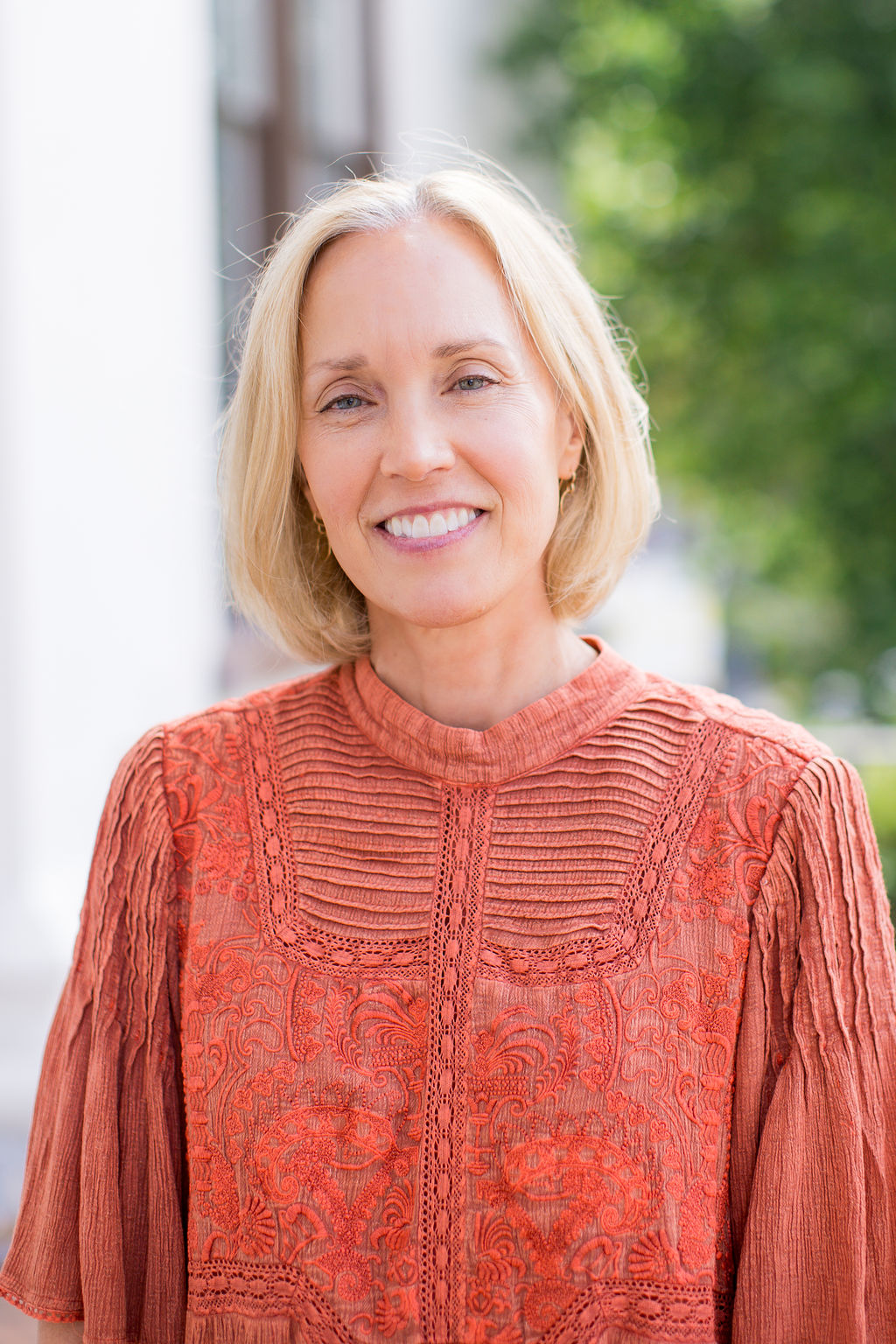
Alcohol-Free Life Coach
Emily Allen is a certified alcohol-free life coach who empowers women in midlife to break free from wine mom culture and begin their next chapter full of clarity, confidence and true freedom. Having been there herself, her unique approach combines alcohol-free living with midlife transformations, helping women turn this major life transition into an opportunity for profound personal growth.