61. Changemakers: Mahjong in Midlife for Friendship and Brain Health, with Tori Rittinger
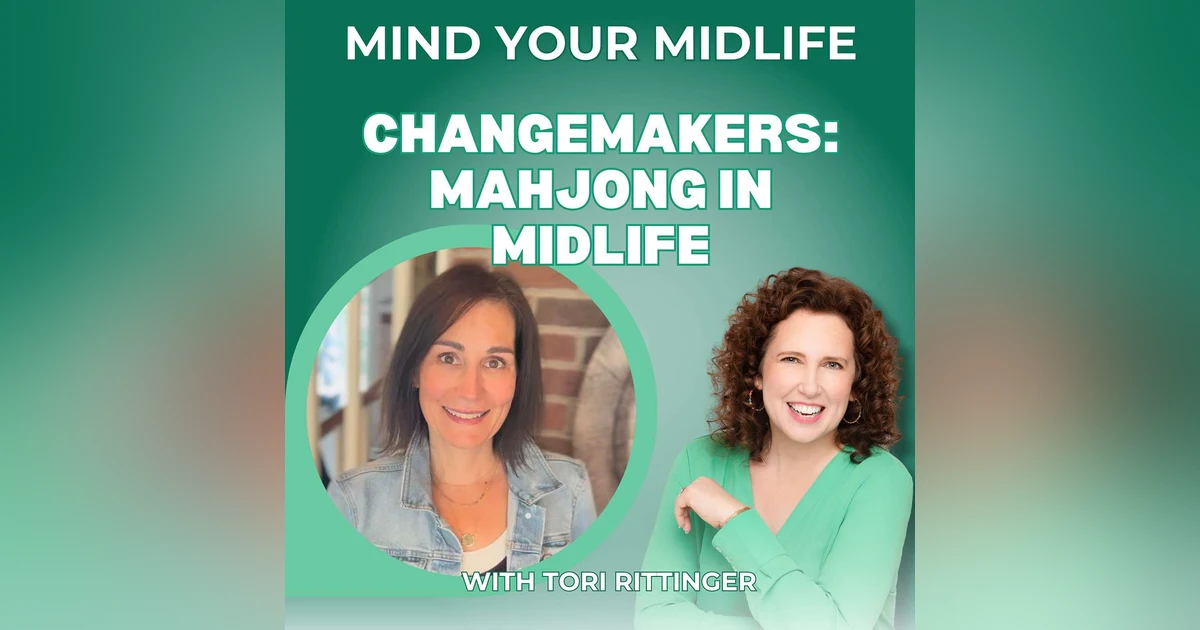


In this Changemakers episode of Mind Your Midlife, Cheryl sits down with Tori Rittinger, founder of Talk Tiles to Me, the first Mahjong studio in the DMV area. And this conversation isn’t just about a game. It’s about what midlife women are craving most: community, joy, and real brain exercise, all wrapped into one playful, addictive hobby.
Tori shares how a simple lesson with friends turned into a thriving business and a growing movement of women (and plenty of men too!) who are using Mahjong to connect, laugh, and keep their minds sharp. If you’ve been feeling stuck in the same routine or wishing you had something just for you, this might be your next favorite thing.
BY THE TIME YOU FINISH LISTENING, YOU’LL DISCOVER:
✔ Why Mahjong is exploding in popularity with midlife women — and why it’s about so much more than tiles
✔ How Tori turned a fun side interest into a full business and community in midlife
✔ The surprising brain benefits of Mahjong (strategy, memory, and staying mentally sharp)
🎯 OMG Moment: If it brings you joy, try it.
Tori’s gut-check for everything — from hobbies to business to even which jeans to buy — is simple: Does it bring you joy? And in midlife, that question can change everything.
Take Action
If you’ve been craving more connection, more fun, or a hobby that feels like true self care, give Mahjong a try. Take a beginner lesson, invite a few friends, or look for a local group. And if you’re anywhere near Washington DC, go check out Talk Tiles to Me — you might walk in alone and leave with a whole new circle of friends. Find Tori on Instagram at @talktilestome.
Why This Episode Matters
Midlife women don’t just need more “healthy habits.” We need joyful habits. We need places to belong, reasons to laugh, and activities that keep our brains engaged. Mahjong is one of those rare things that hits all three: fun, community, and mental fitness. And Tori’s story is a reminder that it’s never too late to create something new — even if it starts at your kitchen table.
Text me to ask a question - I'll answer on the podcast!
🌸 Liked this episode? Share it with fellow Gen X women navigating hormone balance, an empty nest, and/or self-confidence!
🫶 Love this show? Leave a review to help more women over 50 find us.
💡Want menopause support, mindset shifts, or support with midlife transitions?
- Build a mindset for success with the private bonus episodes!
- Book a free Mindset Coaching / Intro Call: cherylpfischer.com/coaching
Let’s talk midlife body positivity, self-talk, and redefining aging for women — without the “midlife crisis” narrative. Every week I'm adding new success strategies for midlife women.
Connect with Cheryl, Midlife Coach: Instagram | LinkedIn | Website
00:00 - Why Hobbies Matter In Midlife
00:45 - Introducing Mahjong And Community
02:32 - Meet Tori And Her Studio
03:46 - What Mahjong Is And Why It’s Back
06:36 - From First Lesson To Teaching Others
10:21 - Sales Roots And Purpose-Driven Work
13:58 - Brain Health Benefits Of Mahjong
17:22 - Building A Studio And Retail Experience
20:16 - Scaling Instructors And Regional Growth
22:56 - Social Play Versus Competitive Culture
25:47 - New Friends, Mixed Ages, Real Community
28:13 - Money, Scoring, And Studio Vibe
0:00 Are you looking for new hobbies? That's my question for you. And you've heard me talk about this. In midlife, what are powerful things we can do for ourselves? We can have fun, we can be in community more often. And quite frankly, it doesn't matter whether you're in midlife or not, more fun and more community is always good. And in midlife, particularly, we want something to exercise our brains. And so today's change maker is going to tell us exactly how to do all three of those things at the same time.
0:45 And that's Mahjong. Let's talk about it. Welcome to Mind Your Midlife, your go-to resource for confidence and success, one thought at a time. Unlike most advice out there, we believe that simply telling you to believe in yourself or change your habits isn't enough to wake up excited about life or feel truly confident in your body. Each week, you'll gain actionable strategies and, oh my goodness, powerful insights to stop feeling stuck and start loving your midlife. This is the Mind Your Midlife podcast. This is the second episode in my new occasional series about change makers.
1:29 And by that I mean women who've created something brand new during this stage of life and can show us the way forward. We can learn from them the wins they've had, why they did what they did, how they came up with it, the lessons they've learned. And today you might pick up a new hobby as well, because we're talking mahjong. Now, Mahjong as a game is sweeping the nation. And I use that quote as kind of a joke a lot because in our family we quote when Harry met Sally all the time.
2:09 And if you remember, there was a quote, Baby Fish Mouth is sweeping the nation. But Mahjong truly is sweeping the nation. Mostly women, I believe, are playing it, and men too. This is not a game only for women. It just happened that a lot of women got interested in it for community and for brain health. So my guest today is Tori Rittinger, and she is the founder of Talk Tiles to Me, which is the first Mahjong studio in the DMV area, which, if you're not near me, means District Maryland, Virginia, so around Washington, DC.
2:52 And her business started out with a few friends playing this game around a table at her house and has become a truly thriving community. She is full of energy. I'm gonna tell her that in our conversation. I find that so inspiring. So welcome, Tori. Hi, thank you. I'm excited. Yes, absolutely. You are welcome, and I'm excited to have you here. And I mean, I've had so much fun with you over the last year. We were just realizing. Yeah. So first, let's start. You have a mahjong business, and I feel like 80% of the people listening to this are gonna go, oh yeah, Mahjong.
3:37 And then there's gonna be some who are like, what is she saying? So just tell us quickly what in the world is Mahjong first. So Mahjong is a tile game that has sort of had a resurgence since COVID. It's been around for years, it's been around since the 1800s. But I think since COVID, this new need for people to want to socialize and be around people, and it's this tile game that has f that has filled that void for people. So it's if you look at like a card game, like poker, let's say, it's sort of in a way like poker but with tiles. And I tell people it's a mix between poker and chess and patience all together.
4:17 But you can socialize, you can have a cocktail if you want while you play, you can tell stories and talk, and so essentially it's a tile game, but I feel like it's so much more than just a tile game. Yeah, I fully agree with that, and we're gonna talk about that for sure because it is just blowing up right now. But let's start from the beginning. How did you get the idea to have a mahjong related business? Where did that come from? So I started out, I was first heard about Mahjong almost six years ago from one of my dear friends that lives in Texas, and it uh you can't live in Texas and not play Mahjong because it's just everywhere there.
4:58 And she kept trying to tell me about this game and everybody's playing it. And I thought you're speaking Chinese to me. I don't even know what you're saying. And I finally took a lesson and just got hooked. And my lesson was three weeks, three, three lessons over three weeks, and I took it with my, it was myself and seven friends, and it was just such a wonderful time knowing we were going to get together these three weeks in a row. And so I just enjoyed it so much I wanted to start teaching it to people because I know people wanted that connection and to be together, and so I didn't necessarily start out as thinking it would be this big business, and it just grew so fast. And I kept going with it because I loved the joy, I still love the joy that it brings people and seeing people come together and the connections that are made.
5:48 Yeah, and if I could just echo part of what you said, for me, you always seem so happy and excited to be there and doing whatever it is that you're doing. I think that's in uh is infectious the right word. That seems a little negative, but anyway, I think it rubs off on people. So that's a big deal too. Well, I'm glad that I come across as excited because I am. You absolutely do. But was this related to your previous work experience at all? It was, yeah. So my previous work experience, I was in advertising and sales, and a lot of that again is like connection and bringing people together, and I would do events with different, you know, clients and bring them together, and I always enjoyed that.
6:34 And I always just enjoyed I could never sell something I didn't believe in, but I always, you know, when I was in it, I was I worked for I was in television sales, so I worked for a couple of the bigger, like the ABC and NBCs, and I believed in their stations and their brand. And so I could talk to you about it and I was happy to sell it. And it's the same thing with the mahjong. I don't even look at look at it as like I'm selling it, but I look at it as it's something I'm really, like you said, excited about and passionate about. And so it was sort of the same thing from that. If it was just something that didn't mean much to me, I couldn't I couldn't do it. Um, but I always liked that being around people.
7:16 And then I took a break and I was a mom for almost 20, full-time mom for 20 years. So you it feels like you just found something you loved and kept doing it, and it grew into something, would you say bigger than what you thought? Or maybe you weren't. I'm sure. Yes. I didn't, I when I started teaching people, it was four people in a tiny room off my family room. And it was me telling my kids, I'm like, you got me quiet, and my husband was putting our dogs in a room, and and it was just so fun. I was like, Oh, just keep teaching people, and then it grew like I so many people want to do it. Let's work with some businesses and go to restaurants, and then it just kept going.
7:57 And I never a year ago, I never would have thought I am where I would be where I am today. But I love it. It's yeah, I'm really happy with it because I I just love the connection of the people. I know I keep saying that, but and that is sort of what my old career was too. And it's something that's positive that brings people together, and it's good for you, you know. Okay, so that's interesting. Let's make sure we bring that in because for me, uh I mean, I like games and stuff, and I was looking for a way to hang out with people, and we met a year ago at a mahjong lesson at a local wine bar, and I was like, wine bar plus game plus fun people, of course.
8:38 I mean, why would I not do that? And it it's really good for your brain as well, yeah, right? Yes, it's very good for your brain. It uses it uses your brain in ways that you don't normally use it every day. It's you're using strategy, you're thinking, you're you're um you're using a lot of forward thinking, you're trying to think a couple steps ahead. And as we know, as we get older, you know, we might not be as sharp as we once were. And we want to do everything we can to help preserve our brain. And when you're doing something like that, that's you know, firing your brain up like that, it's so good for you. Um, and the National Mahjong League, which is the creators of the card that you need to play, a percentage of their sales goes to um the Alzheimer's Association because there is such a connection between you know memory and using your brain, um, and mahjong being so good for that.
9:37 So I look at it too, like we all worry about like our physical appearance and you know getting to the gym or doing some sort of class for our body, but I mean it for your brain is really important too. Absolutely. And we've talked about that on this podcast many times. It you need some sort of brain activity and ideally with people, which you have a great combo with that, yeah. Yes, and mahjong is gives you a purpose of getting together, it's not like let's just go out and have a glass of wine, which is fine too. Some people say wine's good for the heart, you know. However, you want to find that, you know, fit that in. But but this is it's a reason to get together, but you're also you are doing something that's good for you in multiple ways.
10:20 Yeah, I couldn't agree more. Couldn't agree more. Okay, so let's talk about your business a little bit. What have been some of the maybe concerns or worries that you've had to work through as you've been growing this from your side room in your house to your own business location?
11:14 Well, everybody has expectations, and I'm very much a people pleaser. I've always been that way. So I always want to make sure that everybody leaves with a good experience. Um, and for the most part, we've had that. A concern would be people who walk away and don't understand the game, but we are very intentional with how we teach the game because I have I have a special needs child, and then my other two kids have their own learning challenges. So I feel like I'm understand different learning styles. So we are very um intentional about how we teach. But that was one of my concerns is what if people don't get the game? Or what if they don't like it and they don't want to come back? And that has happened, but it's been maybe a handful of people.
11:58 I mean, I almost everybody has come back. Um, but I guess that was my concern was just people not enjoying it, and some people just aren't game people. Um, myself included, I don't sit down and play board games with my kids, but I love to sit down and play mahjong. That was one of my concerns, and just making sure that everybody feels like they're getting what they paid for because it it does cost money to learn how to play, but once you know, then you can continue to do different things that it doesn't cost as much after that. But you know, it is expensive, and I don't ever want to like people to feel like it's too expensive for them, or um so that was that was another concern. But again, I I really haven't run into that very much.
12:41 Yeah. Um yeah, and the demand really seems to keep growing for you. Can you demand so explain to us how that's happened because you started with four people in your house, and now what does it look like? Yes, and now so we started four people in our house, so we slowly went into like the wine bar, and then we went to bigger restaurants, and now we have our own studio in the DMV. It's the only Mahjong studio in the DMV, and um, we can accommodate 24 people, max up to 32 if we want at one time in the studio. And we're busy almost every night with different events, people coming in to play or coming in for, you know, if we have a beginner lesson or social play, or if we have people rent the studio for birthday parties.
13:24 And so, you know, the little table that once was off my living room is uh now here in the studio with a lot of other tables and chairs, and so we do all of our events here now. We'll still go to people's homes, but now we have merchandise. Um, and one of my goals was people when they get into Mahjong want to buy a set of tiles, and you can buy it ranges in price. You can get a set for $100 on Amazon, you can get a really expensive boutique set. And I wanted to carry all of those in the studio so people could come in and see all these different tiles that and find what they like before they buy, because it is an investment. So that was really important to me was to have that.
14:04 We're not tied to any tile company or anything like that. Um, I say we're a free agent, uh, and we are so I want people to be able to come in and see that. But yeah, so from the tiny little table in the living room to now having a studio with merchandise and multiple tables and tile sets is I love it. And it's not just you, right? You're not in there every single night of the week. No, we we now have seven instructors. It was originally just me, and we've grown so fast. So we have instructors all throughout the DMV. We go all the way out to Loudoun County, we go out to Vienna, um, south, all the way around um in the Maryland, and now we're just going up and down the East Coast too. We're um getting instructors there too.
14:45 And we've had instructors from California reach out to us to want to be part of our team. I mean, it's all over, it's just growing all over. It's great. I just love to see that it's taking off. And I think there's people who take a lesson and it's sort of like like what I did. They're like, I love this so much, and I want to just keep it going, and that's what it's what it's doing. It's great. I don't see it going anywhere. I feel like it's like the new pickleball, and everybody, you know, likes their pickleball, but it's you know, it's like what pickleball was a few years ago, but I don't see it going anywhere because this is something that's been around for you know a very long time. And like I said before, it's good for us. So I don't, you know, as this pickleball. So you know, pickleball, you know, you're doing the body part, and then the you know, you're doing this part with the that's right, mahjong, the brain.
15:32 So you know that's right, you gotta exercise the brain and the body. I agree completely. There you go. Yes, yeah, yeah. What is your favorite part about having this as a business? Um I just the being able to bring people together. I know I keep saying that, but I really like that's what brings me joy is like when people are together and just enjoying each other, and that's been the biggest and the ability for people to come in and see the tiles. Like I like that too, but it really is. I love the community. And I've met so many people, and you meet people from so many different in different parts of their lives of people becoming friends, you know, and people in their 20s who are friends with people in their 50s and 60s who they may not otherwise have even thought to have conversations, you know.
16:20 And we had a group of people at one of our events, it was a table of women who didn't know each other, and at the end of the night, all six of them were exchanging phone numbers, and they all meet now every month to play together. I mean, it's and they're all those, they're all kind of in the same um you know, stage of life with having kids and things like that, new kids, young kids, but yeah, and I have a story like that too. I already knew two of the three other people that I play with once a month, but the fourth one was a friend of one of them, and they all came to a lesson with you at one point or another, through me, actually, because I was inviting people, and now we play once a month, and now we're all four friends, and so yeah, you never know. You learn so much about people too, just over like the game, you know, you're like, how's your you know, your kid feeling who was sick last week, or how's your parent, you know, and or you get different recipe ideas.
17:09 I mean, I've gotten so much information, and I want to write a book on like all the funny things that like from menopause down to trying to get pregnant, you know what I mean? Or like waiting for your boyfriend to propose, you know, like I've heard it all. It's it's great, you know. I will say it's easy to sit down at a table with people you don't know and you just end up chatting as you're playing. So I agree with you. Yeah, exactly. Yeah. Have you made any mistakes through this process of growing this business or kind of learned a lesson the hard way, would you say? I need to be more intentional with what sort of studio we are in terms of we're more like social play, we're not hardcore competitive.
17:55 And there have been people that have come in that that is exactly what they want. And we're trying to build certain events that are around people who want that, but it's just making sure that that comes across that way in the beginning because we've had situations where people who, you know, are wanting competitive play and other people who you know are coming in for social, and our whole point of building what we've built is for that social piece. Yeah. So I wouldn't say it's a mistake, it was just a learning process of making sure sort of expectations were known. And aside from that, I mean, I'm always learning. I have, you know, a couple people around me that helped me that if I did not have them, I would not be where I am today.
18:37 And um, I feel like one of them is like my how my brain was 20 years ago. I like used to be type A all over everything. I had so much energy to do it, and at 51 now, I'm like, okay, I don't, and my brain is like ADD because I don't know what happened. Perimenopause is what happened. I mean, it's yeah, it is. I tell people, I'm like, my kids have ADD, like I get it, like, but I never had it. And then now I'm like, oh my gosh, like, yeah, yeah. Or maybe I always had it and I just learned how to manage it and never, but it's like I'm like, I feel like I'm a ping pong ball sometimes. I'm just like all over the place, but but it works, like it just yeah, it works.
19:23 I I love that you are saying you need to be more intentional about the the community and the fun aspect because I mean, everything you've said, that's what you want. And I feel like you've kind of learned to stay in sync with what your intention was and not let all the side stuff get in the way, which is yes, important. Definitely. Yeah, and I feel like we've worked too hard for this business and for the people that keep showing up for events to have people come in and sort of railroad that. And um, you know, and the people to the people that have done that, it's not like it's a continual problem. But when it's happened, it's um people, it's not people being mean, they just don't know better.
20:03 That's they're just competitive and that's how they want to play. But it's you know a little off-putting to people who are used to sort of our style. Yeah. Yeah. So, but we are very intentional about that. We want it to be a place that people come to and just relax and have fun and aren't super serious. That's what attracted me. And um, as you said, I'm sure some people want to be competitive and play more seriously for sure. But what attracted me was the fun and the community for sure. And funny story, in fact, I was in your studio, I don't know, a month or so ago, uh, maybe more than that, and somebody came in with a big bag of change and said, Are we playing for money? And the other three of us at the table looked at her like, uh, we have no idea what that means.
20:45 Nor do we have any change. So yes, some people play for money. I don't play for money. I'm fine if people want to play for money, but yes, we, yeah. And it's for like 25 cents. This isn't like $25. But but some people like that. And I have friends that do that, and then at the end of the year, they pool everything that they want. I guess they keep all the winnings in a little container, and then they go and they donate it to, I don't know if it's Alzheimer's Association, um, which is sort of fun too. But we are gonna start doing events where people keep score if people want to do that. And then some people don't even want to, they just want to be able to win. So that'll be fun too for people to do that.
21:25 But I never want it to become, we live in a very competitive area, and I never want it to be, you know, I don't want that to spill over into our, you know, our our cozy Mahjong studio, because this is supposed to be relaxation for everybody. And sort of like I feel like when I play, all the open tabs of my brain are shut, and I'm just focusing on what's in front of me and what I'm currently doing, which normally day-to-day, I don't do that. And so I don't want that outside world coming in and affecting the community. And I love that. I mean, there's room for competition for sure, and there's tournaments, and I've helped people trade for them too, but that's not us. I the visual of all the open tabs in your brain being shut while you're playing is great.
22:10 I and and I think that's kind of how I feel, although I wouldn't have thought to put it into those words. It's a game that is fun and at the same time challenging enough that you really do have to pay attention and think. Yeah. Maybe that's why. And you're so focused on in like in the moment. And I I can't think of moments in my life. I mean, aside like when I'm at home and I have my whole family together and we're all doing something, I try to be very present. But other times, like being a mom with three kids, I'm my brain is all over the place, you know, and it's nice to be able to just shut it down and focus on that. And and it's something that you enjoy, it's not something like you have to do. I love it. Okay, well, while we're saying how amazing Mahjong is, tell people where they can find you on social media, tell them about your studio, all of that.
22:58 Okay, well, you can find us on Instagram at Talk Tiles2Me. It's all spelled out. We also have a Facebook group, so not everybody is on Instagram. Um, and for people who are not on any social media, we have an email list that can be found on our website, which is talktiles2me.com. And our studio is in Falls Church City. It's next door to Dominion Wine and Beer, um, across from Founders Row. And it's a small studio, it's about a thousand square feet that, like I said, we can fit up to 32 people. And it's very fun, and we have purposely decorated it in a in a cozy, cozy way where people come in and just want to, like I said before, relax. And if you decide that you want to come in and relax with a little bit of wine or a beer, Dominion Wine and Beer, which is next door to us, actually has offered discounts for us, so it all sort of works together.
23:48 And if you don't want to have something to drink, that's fine. There's a tate next door, so you can go get a coffee or a tea. And yeah, that's where we are. We have plenty of parking. And if you want to come in and you don't see open hours, you can always email us. And we are very responsive. The emails all come to me, so perfect. The hours and the events are on the website, yes. And we're we have more coming, more planned after the beginning of the new year, too. So I love it. Well, you know, I'll be there in some way, shape, or form. We love having you. So here's what I like to wrap up with as the last question. Maybe this is gonna be related to like starting a business for you, or maybe it's gonna be related to mahjong. Totally up to you, which way you decide to take it.
24:30 But let's say someone's listening and they're doing the laundry or driving or doing the dishes and they can't remember everything we talked about. What's the one thing that would be the most important for somebody listening to remember from this discussion? I would say overall, like in terms of like how I started the business and even to where I am now, is does it bring you joy? And that is like the beginning of every year, I try and think of a word for the year. And my word, the last two years actually has been joy. And it's whether it's clothes or it's a workout I'm doing, but if it brings you joy, and if you found something that you think you want to get into, whether it's starting a business and teaching it or trying out mahjong, if you think it's gonna bring you joy, um, try it because it might just continue to bring you joy, and we could all use a little bit of joy in our lives.
25:19 Yes, yes, yes, yes. I'm like nodding really big. Yes, that is that's sort of my that's my gut check with everything, you know, and even clothes. If I try on a pair of jeans, like do they bring me joy? Do I get excited? Like, so yeah, yeah. And that's the Marie Kondo thing with clothes and with cleaning out your house. Yes. Does this bring me joy? And while I did that with my clothes actually a few years back, and I felt a little bit silly at first, but it was absolutely accurate. Like, why why are we wearingslash doing things that bring us down? No, joy. No, we don't have time for that. Yeah. So if it brings the joy, do it. I love it. Well, Tori, thank you so much for joining me.
26:02 This has been a fun conversation. Oh, you are very welcome. Thanks so much for having me. I'm honored to be asked. You know, I always ask guests what's the one thing you want someone listening to remember? And I don't, and I promise you this is true, I don't know ahead of time what they're gonna say. I do tell them ahead of time that I'm gonna ask that, but I don't know what they're gonna say. And every single time it's something powerful. So Tori said that we need to remember to do the things that bring us joy. And this doesn't mean to run away from anything hard or challenging. It doesn't mean to try to escape from difficult situations in your life.
26:46 It means when you get the choice, and I know this is what she means, when you get the choice of she said, pants to wear or activities to do or a business to start or whatever, choose the way or the thing that brings you joy. Because why wouldn't we? If we can, why wouldn't we? So I want that to resonate with you and stick with you today out of this episode. And now, if you are local in the Washington, DC area, make sure you check out Talk Tiles to me. I am there a lot. I enjoy it so much. Or find something local to you, take a lesson, get together some friends. This is such a great way to create a community, as Tori was telling us.
27:30 And just as a reminder, over on the private podcast series, starting next week, we are beginning a series about how to stop being your own worst enemy. And we just wrapped up the series on body image. So come hang out with us over there, CherylPFisher.com/slash bonus episodes. Or if you go to Mind Your Midlife on Apple Podcasts, you'll see it right there. The confidence deep dive is waiting for you. You'll get to see all the older episodes as well. And I will see you in there. And of course, make sure you've hit the follow button because coming up on our next episode, we are talking retirement planning.
28:15 I have a woman joining me who is going to give us some fantastic financial advice and really focus on women because that's who we are, and we need to know what we need to know. So I will see you then. And in the meantime, remember that midlife is a time to take a little bit better care of yourself. Just a little bit better care makes a huge difference.
Founder
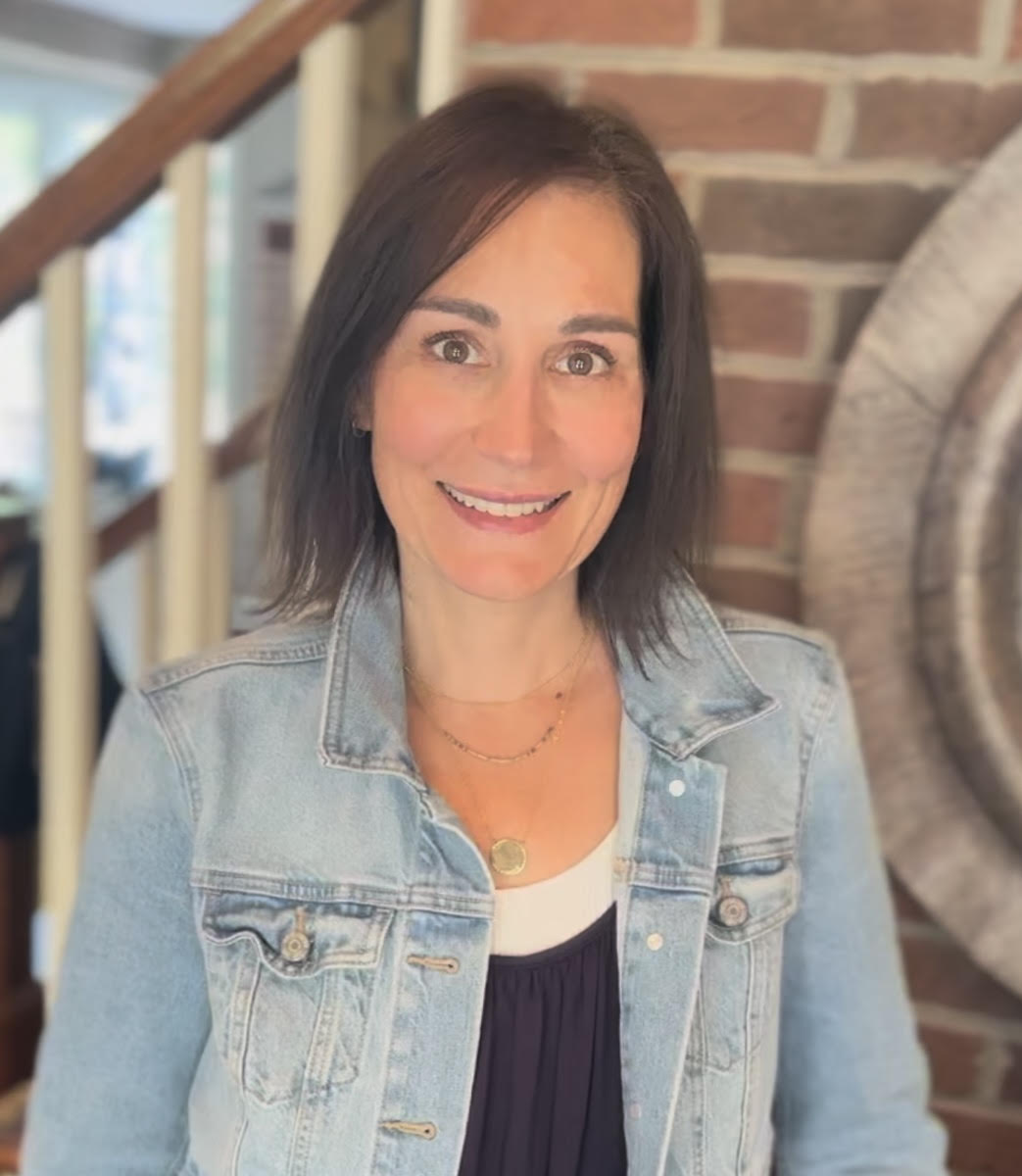
Tori Rittinger is the founder of Talk Tiles to Me, the DMV’s first dedicated Mahjong studio based in Falls Church, Virginia. What began as a few friends playing Mahjong around a small card table at her house has blossomed into a thriving community where connection and conversation take center stage. Through classes, leagues, private events, and philanthropic partnerships, Tori has turned Mahjong into a lifestyle movement-one that celebrates friendship, fun, and rediscovering joy in midlife. Known for her welcoming spirit and creative energy, she helps others find confidence and connection, one shuffle at a time